Paul Gipe
is an author, advocate, and analyst of the renewable energy industry. He has written extensively about the subject for the past four decades, receiving numerous awards for his efforts. Gipe has lectured before groups from Patagonia to Puglia, from Tasmania to Toronto, and from Halifax to Husum. He has spoken to audiences as large as 10,000 and as small as a private presentation for Vice President Al Gore. Gipe is well known for his frank appraisal of the promise and pitfalls of wind energy, including his stinging critiques of Internet wonders and the hustlers and charlatans who promote them. He led the campaign to adapt electricity feed laws to the North American market–the same policy that has stirred a renewable energy revolution in Germany.
Latest Articles by Paul Gipe
By
Paul Gipe
More on Greenhouse Gas Emissions from EV & ICE Vehicles
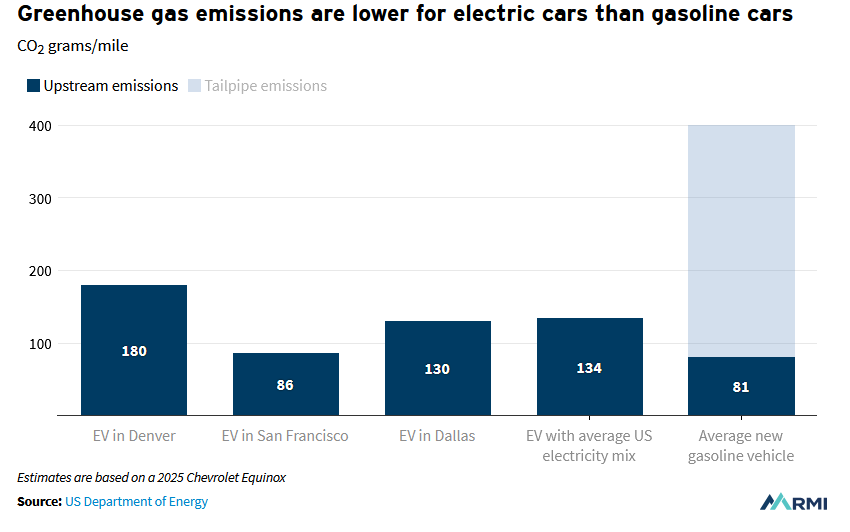
RMI, formerly the Rocky Mountain Institute, in a new report comparing the carbon dioxide emissions from EVs and Internal Combustion Engine (ICE) vehicles found–once again–that EVs are superior. RMI compared the emissions from a Chevy Equinox and that from the average ICE vehicles in the US. As many others have …

Alexander Jacob reports in an annual analysis of Germany’s burgeoning balcony solar market that the total number of systems registered has topped 1.5 million. Balcony solar is now capable of generating more than one terawatt-hours of electricity per year or about 1.1% of the solar electricity produced in Germany. Also …

After more than six months of driving the 2027 Bolt, I feel comfortable with the car and have made all the adjustments necessary for the car to work the way I want it to. The software that controls the interface between the driver and the vehicle in modern cars is …
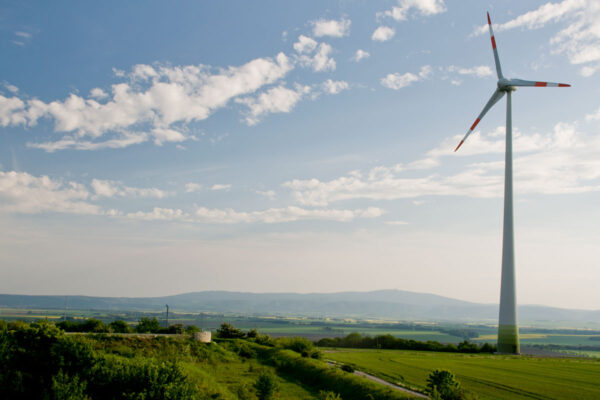
In what was once unthinkable, renewable energy from sun, wind, water, and biomass has generated 59.1 percent of German electricity during the first half of 2026. Renewables generated 136 TWh of the 221 TWh generated in Germany during the period. Wind turbines generated nearly 68 TWh, and solar generated 41 …
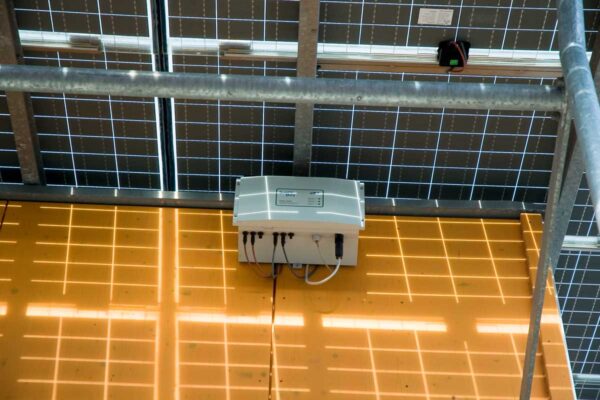
Balcony solar, or plug-in solar for us Yankees, may actually become a thing in California. The state legislature passed plug-in solar legislation this August and sent the law onto Governor Newsom for his signature. (See California Legislature passes balcony solar bill.) There’s no word from Newsom’s office on whether he will …

Because I write about our experience owning EVs, I sometimes get a query “over the transom” as we say, asking for help or for an explanation. Recently I got a query from someone who just bought a 2027 Bolt. It wasn’t just a new car to them, it was their …

Uptime Tech News (uptimetechnews@substack.com) recently reported bids for both onshore and offshore wind in Great Britain. “In what is expected to be a successful tactic to keep projects on track and “focus on competitive price outcomes,” the UK government announced that maximum strike prices in AR8 will be the same …
Other Articles
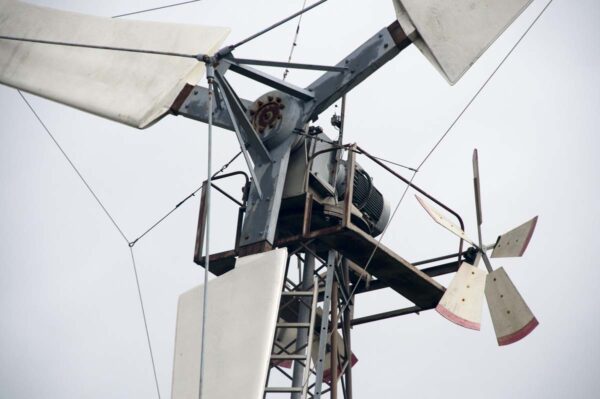
The question is not who first generated electricity with wind, nor who first produced wind turbines in series. Companies such as Jacobs and Hütter had already done so, mainly for off-grid applications. The more interesting question is: Who built the first commercially series-produced wind turbine specifically designed for direct parallel operation with a public electricity grid?
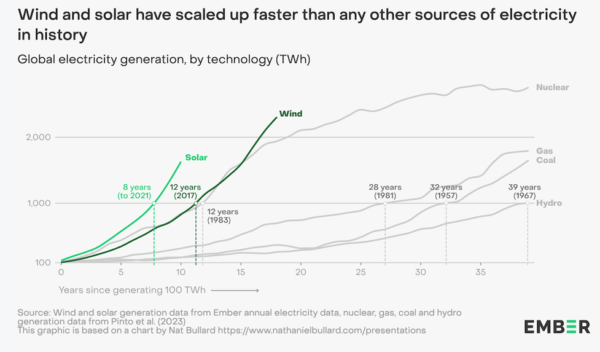
Wind and solar are growing faster than any other sources of electricity in history, according to new analysis from thinktank Ember. It says they are now growing fast enough to exceed rising demand, meaning there will be a peak in fossil fuel electricity generation – and emissions – from this year. As a result, Ember says in its latest annual review of global electricity data that a “new era of falling fossil fuel generation is imminent”. Renewables met a record 30% of global electricity demand in 2023 and emissions from the sector would already have peaked if not for a record fall in hydropower, the analysis says.
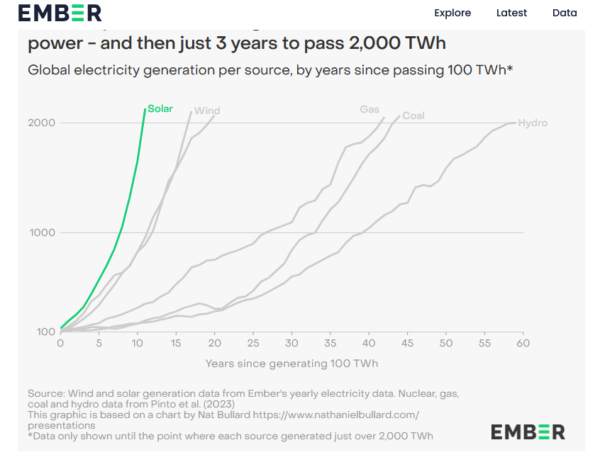
Solar power is transforming the world — and at record speed. Solar electricity generation needed just eight years to grow from 100 TWh to 1,000 TWh. Then it took only three more years to double that — reaching 2,000 TWh in 2024. In each of those last three years, solar was the largest source of new electricity globally. No other electricity source has scaled this quickly.
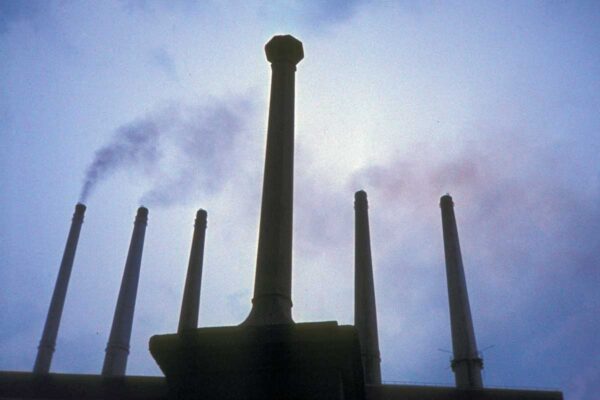
Germany has presented a road map to phase out fossil fuels by 2045. German Environment Minister Carsten Schneider told the UN General Assembly on Wednesday that the plan “combines independence, affordability and climate protection.” Europe’s largest economy is now the third country to have provided a solid plan for the phaseout — to which nearly 200 countries committed at the 2023 COP28 climate conference in Dubai — following France and the Netherlands.
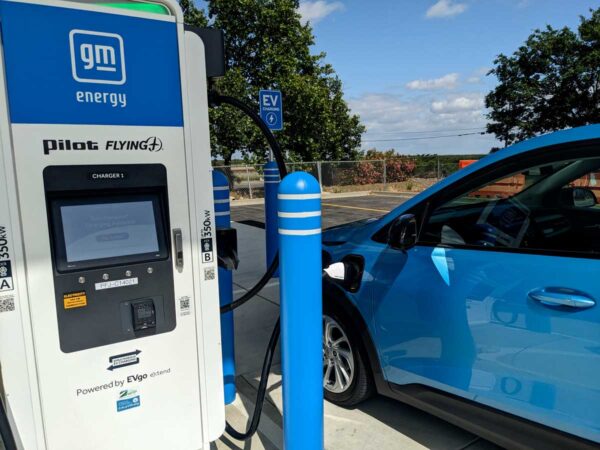
The life-cycle emissions of battery electric vehicles in the European Union are estimated to be 73% lower than those of gasoline internal combustion vehicles. As presented in Figure 1, BEVs operating on the projected 2025–2044 average EU electricity mix had estimated life-cycle GHG emissions of 63 g CO2e/km. This is 73% lower than the emissions of gasoline ICEVs running on the average blend of fossil gasoline and ethanol, estimated at 235 g CO2e/km. These savings go beyond just tailpipe CO2 emissions: Emissions from fuel production are higher than those from electricity production with the EU average mix. Although BEVs were estimated to have about 40% higher production emissions than ICEVs due to emissions from production of the battery, these additional emissions are more than offset after about 17,000 km of use in the first one or two years.
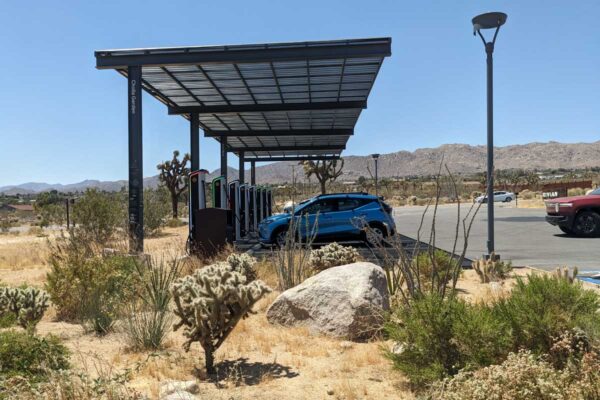
188 months of US plug-in vehicle sales, December 2010 to July 2026, taken from the Department of Energy laboratory that publishes them. The share of the new-car market peaked at 12.94% in September 2025 — the month the federal tax credit closed — and has fallen in every month since, measured against the same month a year earlier.


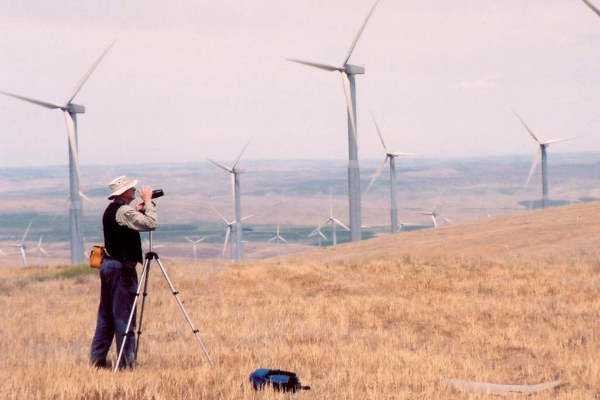
The following pages include some of the photos from my collection, including both digital and scanned images.
My photographs have appeared in Popular Science, Sierra, Solar Age, Alternative Sources of Energy, L’Espresso, Air & Space Smithsonian, Windpower Monthly, WindStats, Renewable Energy World, and other magazines, in several engineering and physics textbooks, on brochures and posters published by the National Renewable Energy Laboratory, by Friends of the Earth (UK), by the Union of Concerned Scientists, and the World Wildlife Fund.
